





Why iPhone Duo Remains a Stand‑out Foldable Smartphone | YouItem Shop
Since its launch, Apple’s first foldable phone iPhone Duo has sparked heated debate. Discussions quickly shifted from purchasing frenzy and price markup to hardware defects and software adaptation issues. Some early‑adopting users reported inner‑screen cracks near the hinge under normal opening‑and‑closing without drops or heavy impact. Apple admitted the problem existed among “a small number” of units and offered replacements, yet released neither failure causes nor exact affected volume. The incident contradicted Apple’s earlier public promises about hinge robustness and product durability.
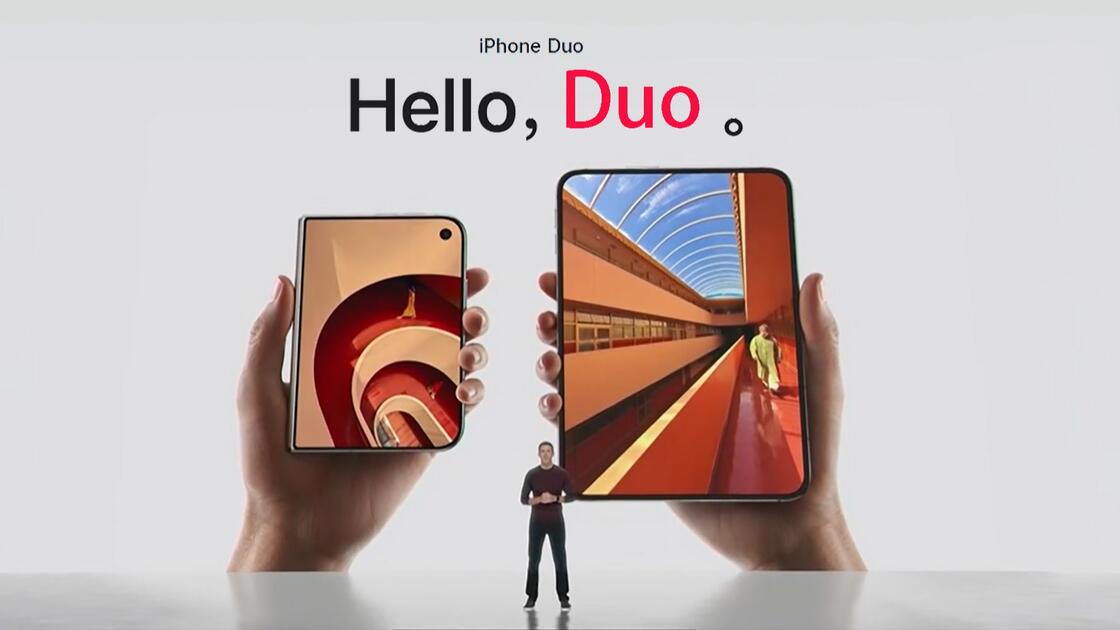
Software optimization also fell short of expectations at launch. Roughly 80 percent of mainstream applications lacked proper adaptation. Many apps displayed thick black borders or simply magnified smartphone‑style interfaces on the big inner screen. Although major social platforms rolled out urgent updates, glitches persisted. Apple will oblige developers to submit Duo‑optimized app screenshots starting April 2027 to push for better software compatibility.
Despite these flaws, iPhone Duo has become the most eye‑catching consumer electronics product of recent times. Official supplies ran short, and retail stores drew crowds testing its screen performance. Numerous developers and brands rushed to roll out adapted versions or launch marketing campaigns themed around this new device.
Samsung, Huawei, Honor and OPPO had iterated foldable products for years before Apple stepped into this track. Apple positioned iPhone Duo not as two separate screens pieced together, but as transitional hardware sitting between regular iPhones and compact iPads, delivering natural interface expansion instead of disjointed switching. Competitors including Xiaomi and Huawei have explored similar intermediate‑size foldable forms, yet none triggered comparable industry‑wide responses.
Many developers that long ignored foldable‑screen optimization for Android handsets prioritized upgrades for iPhone Duo. For software firms, adapting for iPhone means capturing massive potential Apple users while gaining valuable public exposure. Hundreds of consumer brands leveraged iPhone Duo for marketing promotions, a level of commercial influence unseen with any previous Android foldable device.
iPhone Duo’s uniqueness lies in its power to mobilize consumers, developers and business partners. Whether it qualifies as a fully successful foldable remains undecided. Still, consumers actively re‑evaluate foldable devices because of it; developers compete to refine their apps; marketers seize its publicity value. Though Apple is not the foldable‑tech pioneer, it acts as an unavoidable benchmark judging mainstream adoption of foldable phones.
What attracts iPhone loyalists is its familiar ecosystem experience. Users retain accustomed operations, seamless data migration, and smooth cross‑device links with Mac, Apple Watch and AirPods. Surveys nevertheless show Apple’s user retention and satisfaction scores lag behind some Android rivals in the US market. Apple’s special status originates from two sources: historic breakthrough innovations that built its ecosystem reputation, plus consistent long‑term product and service quality.
Technological hardware advantages tend to get caught up quickly by competitors. Once innovative functions mature, they rapidly turn into standard configurations across the whole industry. Sustainable competitiveness relies on accumulated brand recognition and stable user expectations, rather than one‑off technical wins. DJI exemplifies this logic: buyers gradually base purchasing decisions less on raw parameters and more on trusted, predictable usage experience.
Apple’s Vision Pro illustrates that high‑profile attention cannot guarantee market success without clear practical value. Similarly, iPhone Duo’s prospects hinge on solving existing screen failures and fixing application‑adaptation pain points. Brand reputation is no permanent asset. Each product’s real‑world performance reshapes consumer trust. Technology may be copied, yet hard‑won user confidence built over generations of products creates lasting competitive moats. Even with existing imperfections, iPhone Duo redefines market expectations for foldable‑form smartphones.